
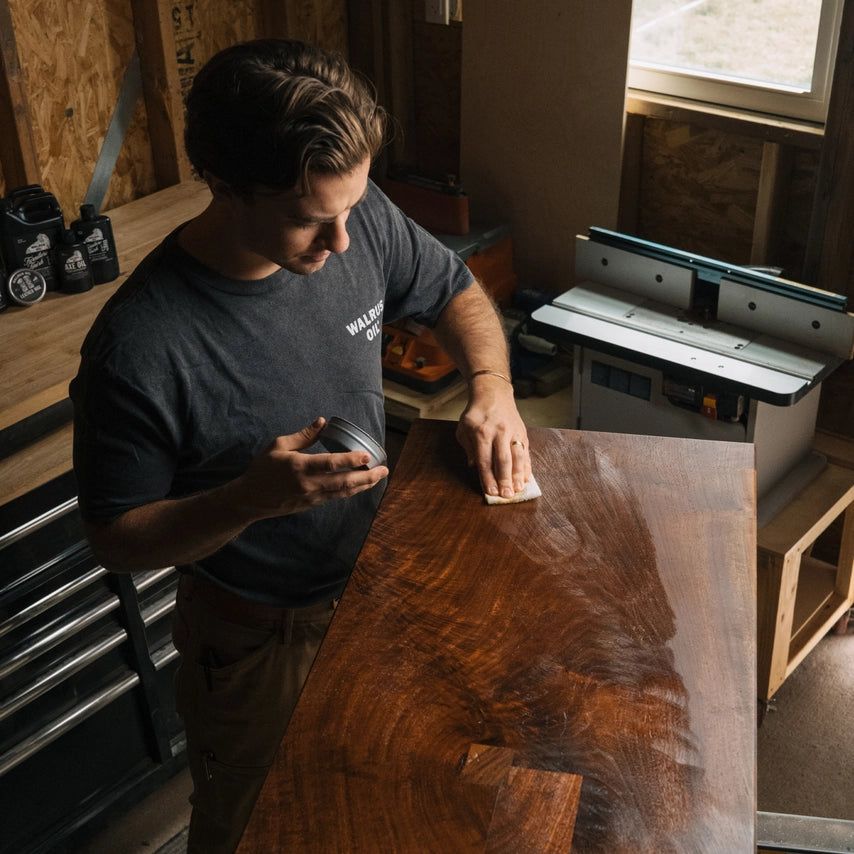
Ever stood in the hardware store, staring at bottles of finish? Totally unsure about how to oil and wax wood surfaces in your home? What’s the difference, and which is right for your table or floors? Well, it is a big choice that changes how different woods in your home look, feel, and last.
Our carefully curated guide will help you decide the best finish your furniture deserves. Let’s walk through the pros, the pitfalls, and the simple secrets to achieve that gorgeous, long-lasting wood.
So, without further ado, let’s dive right in.
Key Takeaways: How to Oil and Wax Wood Surfaces
- Choose oil for durable, moisture-resistant protection or wax for a soft, low-traffic sheen.
- Always test your finish to check for color and adhesion before finalizing.
- Apply oil in thin, even coats and wipe all excess to avoid a sticky cure.
- Use a whisper-thin layer of wax and buff vigorously for a smooth, protective glow.
- Use only certified food-safe finishes like mineral oil or pure tung oil for food-related items.
- Always dispose of oily rags properly to prevent dangerous spontaneous combustion.
- Maintain finishes yearly with a conditioning coat to preserve beauty and avoid full refinishing later.
7 Expert Oiling and Waxing Tips to Bring Your Wood Back to Life
Now, let’s learn the 7 essential steps to make your furniture look seamless and glorious. All these tips come directly from our furniture experts, who bring years of expertise with them.
1. Choose Wisely Between Oil and Wax
Always start with understanding the fundamental difference between wax and oil. Knowing what each of them offers definitely helps to narrow down the selection.
For example, oils like pure tung will create a durable, waterproof barrier inside the wood. This will make the wood ideal to use as water-resistant cabinets.
Oil seeps deeply into the wood fibers to nourish and protect them from within. They let the natural grain shine and also give your wooden piece good moisture resistance.
On the other hand, waxes sit on top of the wood surface itself. If you ever felt a soft, velvety sheen that’s smooth to touch, that piece is surely waxed.
Consider the usage for each furniture type in your home and choose your finish according to that. For high-touch items like dressers, wax will provide a smooth feel when touched.
However, it gives minimal protection, so it’s better for low-traffic items like decorative pieces. Additionally, never use wax on surfaces facing direct sunlight, where it’ll soften or melt over time.
For furniture items like dining tables that need more protection, a drying oil is your best bet. If you’re remodeling your kitchen, consider a food-safe oil for cabinets and counters instead of wax.
If you can’t decide on one, just combine the two for added beauty and protection. Applying wax over a fully cured oil finish will add a marvelous soft sheen.
2. Always Test Your Finish First
Before using any sort of finish, you should always test it on an unseen area of your wooden flooring or furniture. This simple step will prevent any disappointment later.
You need to check for proper finish adhesion and the final color, too. Some oils can change the appearance of wood-tones, making a lighter tone look dark. Meanwhile, some tinted waxes can also look far different from what you expect.
You can also do a smart solvent test for existing finishes for better results. Just dab a bit of denatured alcohol on the wood; if the finish dissolves, it is likely shellac or wax.
If it does nothing, it might be a modern varnish or polyurethane. Wax will not stick well to this polyurethane. Thus, knowing the old finish is crucial for what you plan to apply next.
3. Apply Oils Using a Proper Technique
Start by flooding your wood surface generously with a drying oil. Then, using a lint-free cloth, work it into the grain thoroughly. You must ensure every part stays wet for at least fifteen minutes. This soaking time will allow the deep penetration of oil into the pores.
After this, wipe away every bit of excess oil, not letting pools form on the surface. Next, take a clean, lint-free cloth and quickly wipe the surface dry. Any oil left on the surface at this stage will not cure properly, feeling tacky and sticky later.
If you’re aiming for a super smooth feel, you should sand lightly between coats. Remember, patience is also crucial here. Some oils need twenty-four hours between coats. Rushing here will lead to poor results, so give your wood all the time.
4. Master the Wax Application
Choosing a high-quality wax is equally important as applying it correctly. For application, scoop a small amount onto a soft, lint-free cloth. A little wax goes a very long way, so don’t overdo it.
You need to apply a whisper-thin coat following the wood grain. Thick coats will dry gummy and become difficult to buff, creating a streaky, uneven appearance.
The real magic lies in the proper buffing technique. First, let the wax sit until it hazes over completely. This will usually take ten to twenty minutes in most woods.
Then, take a clean cloth and buff the surface. You are basically creating friction that will generate heat that’s essential for smooth blending. So, put in the work for that glossy finish you want.
Finally, always aim for a thin, hard, and non-sticky protective layer. One or two thin coats are usually enough for most wooden furniture.
If it still feels sticky, you might have applied too much wax. But don’t worry; you can simply buff it again and get the desired warm and luminous glow.
5. Select Food-Safe Finishes
You must take extra care when finishing items that touch your food. The best simple option for these items is food-grade mineral oil. It is colorless, odorless, and won’t spoil or go rancid.
Another excellent food-safe option is pure tung oil. It cures into a solid, waterproof finish that is completely non-toxic. For added protection, consider a mineral oil and beeswax blend. This combination will hydrate wood and also help in repelling water.
However, you must avoid blended “tung oil finish” for food contact products. Also, never use vegetable oils like olive oil or coconut oil, or any other household oils, for this purpose. They will go rancid over time and smell unpleasant.
Additionally, avoid boiled linseed oil that contains toxic chemicals. Before choosing a finish for food contact products, always look for labels that explicitly say “food safe”.
6. Practice Finishing Safety
Moving on, keep wood finishing safety in mind. Rags soaked with drying oils are a serious fire hazard, so dispose them immediately with extreme caution.
The oxidation process in these will create buildup heat that could bunch up and ignite even without a flame. The safest method to dispose them is to lay them out flat outside. You can also submerge them in a sealed metal container or an airtight plastic bag.
Whatever you do, never pile them up or toss them in a regular trash can. Furthermore, you should ventilate your workspace properly by opening windows and using fans to circulate fresh air. Also, wear a respirator if you’re using products with strong fumes.
7. Refresh Finishes Regularly
Lastly, keep in mind that your work is not done even after the final coat cures completely. If you want your wood finishing to stay beautiful, periodic care is essential. Cleaning wood surfaces gently with a damp cloth is low-maintenance but very efficient.
Avoid harsh chemicals, as they can strip the finish quickly. Once or twice a year, you should watch for dry spots or minor scratches and reapply a maintenance wax or oil.
For waxed pieces, a simple light buffing is usually enough to revive the shine. On the other hand, for oiled surfaces, a quick wipe with conditioning oil is needed to refresh protection. This annual care only takes a little time and replenishes the wood’s natural life dramatically.
Final Word: How to Oil and Wax Wood Surfaces
The soul of woodcare isn’t in the can of wax or the bottle of oil. It is in the honor you give the wood that was once alive. Only with patience and dedication, you can give your wooden pieces the chance to truly shine and last longer.
If you’re looking to source high-quality wooden furniture pieces, look no further than George Group. As your one-stop whole-house customization expert in China, we offer direct-factory pricing, expert design support, and comprehensive logistics. Our experts make it easy to customize and import high-quality wooden pieces that’ll last for generations.
Visit our expansive 30,000 m² Foshan showroom to explore thousands of styles and materials, or connect with our team for a tailored sourcing solution that fits all the needs of your dream home.
For more tips and insights on decorating living spaces, check out our blog section.


