
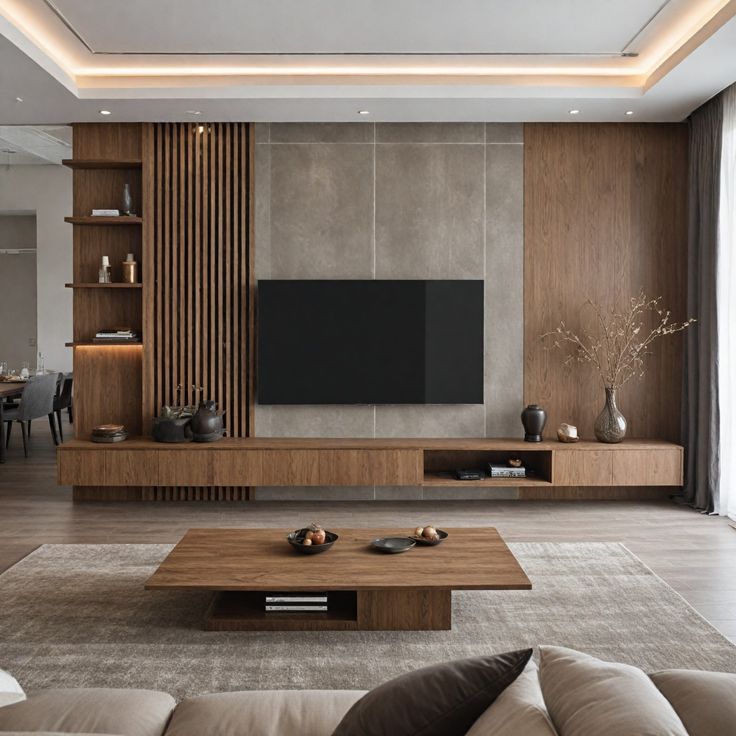
Have you ever walked into a perfectly designed room that felt warm? Well, that feeling often comes from layered wood tones. To help you achieve that, we’ve curated this guide on how to mix wood tones. It is a major trend right now, and you can learn to do this like a professional designer.
Our guide will give you the practical tools you need to mix wood tones. So, without further ado, let’s create a home that feels warm and cohesive.
Key Takeaways: How to Mix Wood Tones Like a Pro?
- Always start by choosing a dominant wood tone from the floors or furniture.
- Identify if a wood’s undertone is warm, cool, or neutral so they can harmonize.
- Use two to three different wood tones in one room to add visual interest.
- Create intentional contrast by pairing light and dark woods to prevent a mismatched look.
- Repeat each of your wood tones at least twice to create a flow.
- Add a mid-tone wood piece to bridge the gap between light and dark woods.
- Mix different wood textures and finishes to add depth and unify the space.
- Balance wood tones with other materials like metal, stone, and textiles for relief.
- Classic tone combinations include light-medium-dark, all neutrals, or a neutral mix.
- Avoid matching woods perfectly and using too many tones to prevent a chaotic look.
7-Step Guide to Mix Wood Tones
Now, let’s start with a step-by-step guide to mix wood tones:
1. Start with Your Dominant Wood Tone
Firstly, you must to know that every room needs a starting point, essentially a foundation for your palette. You should make a center point out of the single largest wooden element in your space.
This might be your flooring, wooden ceiling, or maybe a dining table. The dominant wood tone here will set the stage for all other wood choices you will make.
If you have light oak hardwood floors throughout your home, the dominant tone will be a light, natural wood. Look for what’s your dining table made of? If it’s solid, dark walnut, then you should reference this dominant tone at every step. Basically, trust this anchor piece to guide you.
2. Understand Wood Undertones
This is the most crucial and often overlooked step in mixing wood tones. Every wood finish has an underlying color, or an undertone that may be warm, cool, or neutral. A warm undertone has hints of red, orange, or yellow. A cool undertone gives gray, green, or a stark white wash.
You must pay close attention to the undertone. For example, light oak and dark walnut both have warm orange undertones. So, they will work together. Remember, two light woods might clash if one is warm and one is cool.
You don’t need experts to identify wood undertones; it’s easily possible at home. Simply hold a pure white piece of paper next to the wood. Does the wood look yellow or red? It is warm. Does it look ashy or grey? It is cool.
3. Use a Mix of 2–3 Wood Tones
Think about the beauty of a forest. Its enchanting looks are mainly because of the countless shades of brown. Where wood is involved, you want exactly that variety.
You should aim for two to three different wood stains in a single room. This will add visual interest without the overwhelming feeling of one tone. After a single dominant anchor, you can introduce a secondary tone for contrast and a third as an accent.
Do keep in mind that similar wood tones often end up fighting against each other. To avoid that, the power of light against dark is your best bet.
Place a dark wood bookshelf against a light wood wall for a dramatic effect. You can also set a light wood tray on a dark wooden coffee table. Basically, it’s all about creating balance.
4. Repeat Tones for Harmony
This is the key that’ll hold your mixed-wood tones palette together. Repeat each of your chosen wood tones at least twice in the room. This simple trick creates a rhythmic, harmonious feeling. It will not let any single piece look out of place or random.
The light tone from your floor can be used in a functional side table or a decorative bowl. This thoughtful repetition makes your design look completely intentional and flowy.
5. Add an “In-Between” Tone
If the visual jump between your light and dark woods feels too stark, that’s where a bridging tone comes in. You can introduce a mid-tone wood that sits perfectly between shades.
This “in-between” tone helps blend the two extremes into a seamless transition. The best pieces to use for this are items like a medium-toned oak side table between a light sofa and dark flooring.
6. Mix Textures and Finishes
Moving on, color is not the only variable you can play with. Texture is a powerful tool for bringing different wood tones together, too. A smooth, high-gloss finish definitely tells a different story than a rough, matte one. So, mix textures to add layers and depth to your room.
For instance, pair a sleek, dark walnut table with a chunky, light oak bench. You can also combine wood with other natural textures. Rattan or cane chairs go really well with a solid wood table. The contrast in furniture texture is as important as the contrast in color.
7. Balance Wood with Other Materials
Your perfect room can’t only have wood. You need to break up the wood tones with other materials. Metals, stone, glass, and textiles are the much-needed supporting actors.
You can add a stone countertop or a marble vase for a touch of organic coolness. Additionally, you can use textiles to soften the space. Basically, your area rug, curtains, and upholstered furniture are key to separating conflicting tones.
3 Best Wood Tones You Can Mix
If you are still confused about what tones should be mixed. Here are 3 curated combinations you can choose from:
- Light + Medium + Dark: This is a classic, fail-safe trio. It will give you a full range of contrast that feels balanced and elegant.
- All Neutrals: Stick with woods that have minimal undertones. Think ash, white oak, and light beech. For a modern-looking home, you can then mix these freely without worrying about clashing colors.
- Warm + Neutral Mix: This adds warmth without going overboard. The neutral tones will not let the warm wood make the room feel too heavy or dated.
2 Common Mistakes to Avoid While Mixing Wood Tones
Lastly, before you even start mixing, keep these two simple pitfalls in mind.
- First, never try to match everything exactly. Perfection is not your goal here. Always aim for a harmonious blend, not a monotonous match.
- Second, do not use too many tones. Sticking to your two or three woods keeps the look intentional. Adding too many wood tones could make the room very uneasy and chaotic.
Final Word: How to Mix Wood Tones Like a Pro?
Mastering the mix of wood tones truly transforms a house into a home. It adds that lived-in, collected look that’s so in trend these days. Avoid the common pitfalls and choose universally accepted combinations. It’s all that matters.
If you want professional help for a whole-house look, that’s where the George Group come in.
As your one-stop whole-house customization expert in China, we offer direct-factory pricing, expert design support, and comprehensive logistics. Our experts make it easy to customize and import high-quality pieces for your wooden heaven.
Visit our expansive 30,000 m² Foshan showroom to explore thousands of styles and materials, or connect with our team for a tailored sourcing solution that fits your needs.
For more tips and insights on decorating living spaces, check out our blog section.


